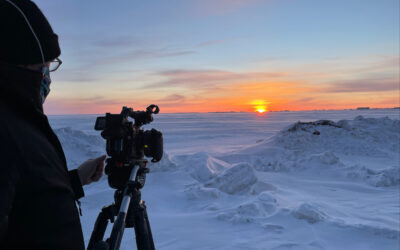
If you’re a filmmaker based in Alaska and you don’t film outside when it’s cold out, you won’t get much work done. In Anchorage, for example, it’s basically snowy for six months out of the year, and in Fairbanks, temperatures regularly dip below -40°F in the winter. You have to have the gear and knowledge needed to film in all types of weather conditions, without missing a beat.
Our DP, Hannah Pratt, has some tips and tricks that will make all the difference when the thermometer dips below freezing but the cameras still need to roll.
Use handwarmers to keep yourself (and your batteries) warm
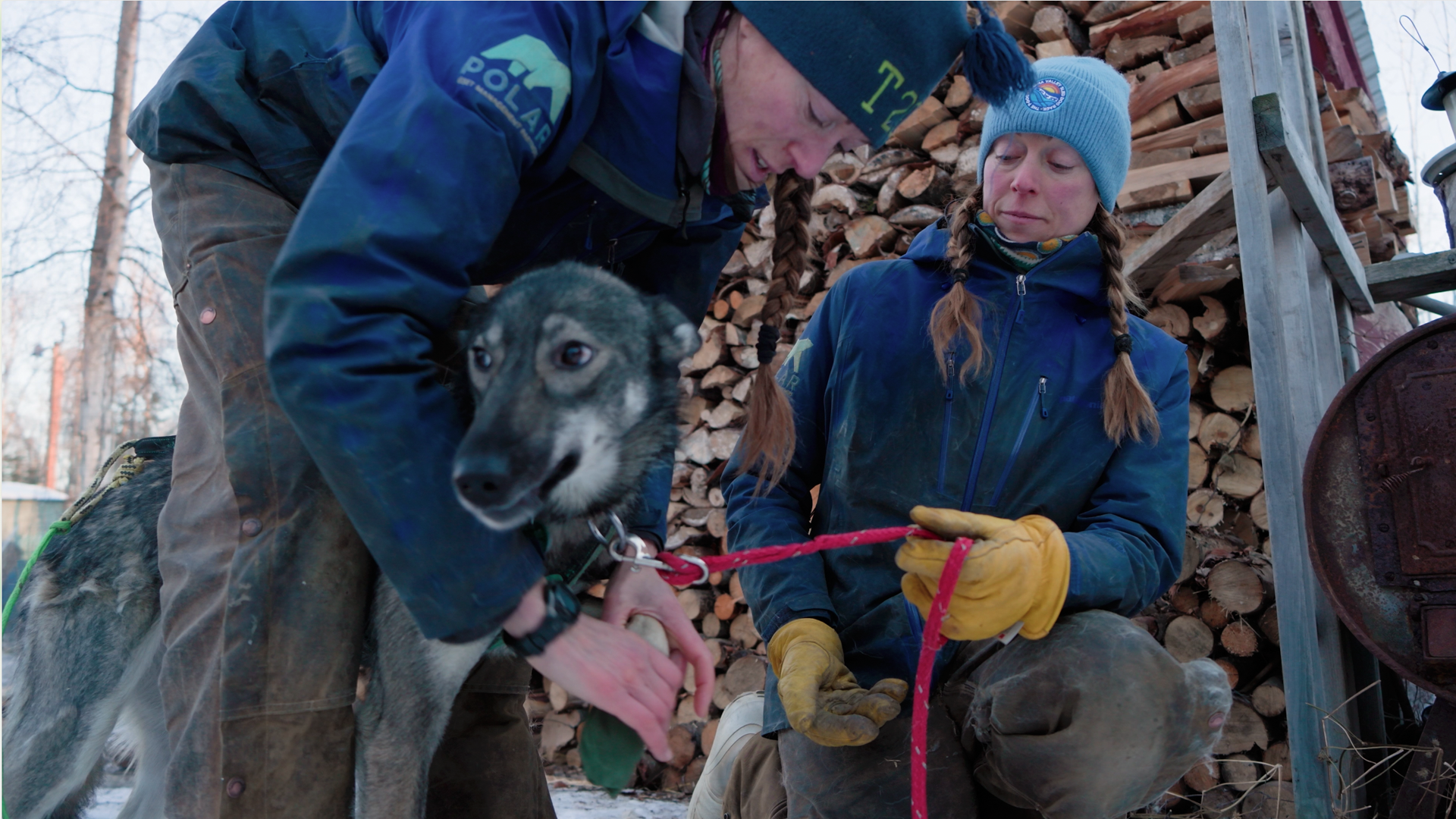
Anna and Kristy Berington show us how to put booties on a sled dog: must be done without gloves.
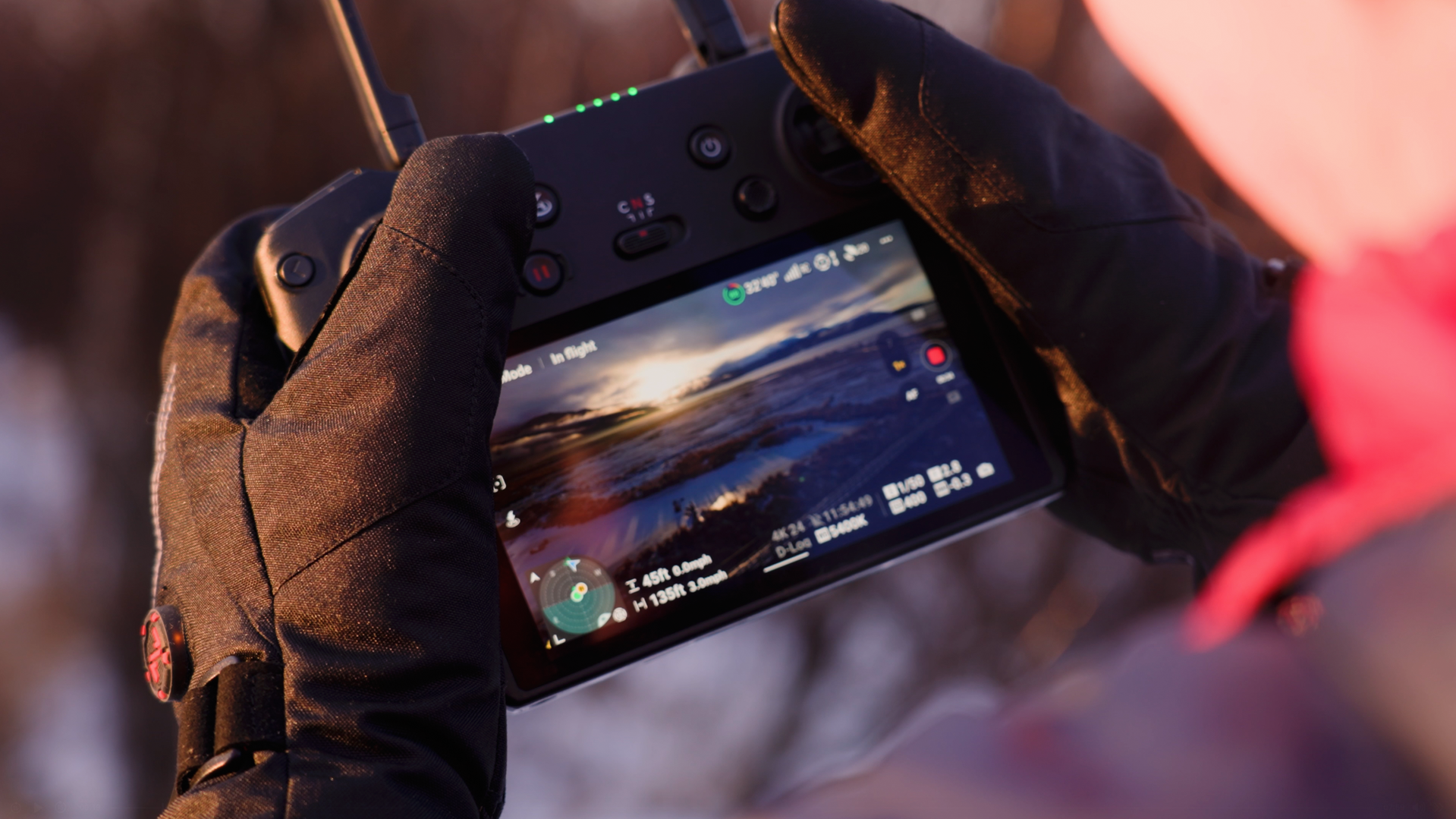
Hannah uses her electric gloves while flying the drone.
Anna and Kristy Berington, Iditarod mushers based out of Knik, Alaska, shared a great quote with us when we were filming with them earlier this winter: “The only thing you can do with gloves on is pee your pants,” they said. The same is generally true for filmmaking, though our equipment isn’t likely to try and lick our faces.
In order to operate a camera or drone, adjust equipment and settings, or change out batteries, you simply can’t do it efficiently with gloves on. Having electric gloves or handwarmers in your pockets offers a quick way to warm up your hands between takes.
This also has the added benefit of providing a nice toasty place to keep spare batteries! Additional handwarmers can be tucked into camera bags to prevent batteries from draining due to the cold. We prefer electric handwarmers because you can control the level of heat they give off – you don’t want your batteries to freeze, but you don’t want to cook them either!
Wear ice cleats
The last thing you want to worry about is your footing when you’re trying to keep up with your subjects and maintain a good shot. Depending on temperatures and snow conditions, you could be trudging through sand-like snow, or slipping and sliding over hard-packed ice. A fall might mean broken equipment – or even a broken you.
Ice cleats (like Yaktrax or Kahtoolas) strap on to your shoes and keep your footing stable so you can focus on your cinematography.
Prevent lens-fogging with this trick
Have you ever come inside on a cold day and had your glasses fog up? The same thing will happen to your camera lens. Why is that?
Condensation happens when a cold, smooth material – like glass – comes in contact with warm, humid air. The extra moisture in the air cools onto the glass, fogging it. The severity of the fogging depends on the difference in temperature and humidity between inside and outside, so it isn’t always a problem. But when it is, you might have to wait up to 20 minutes for your lens to clear after coming inside.
In order to prevent the lens from fogging, you can put it inside a plastic bag before walking in the door. The bag will keep the moisture away from the camera while it warms up, meaning the condensation will collect on the outside of the bag instead of your lens.
While this will prevent the worst of the fogging and allow you to get back to work sooner, you’ll still have to wait for the glass to warm up. Don’t forget to block out time for that in your shoot schedule!
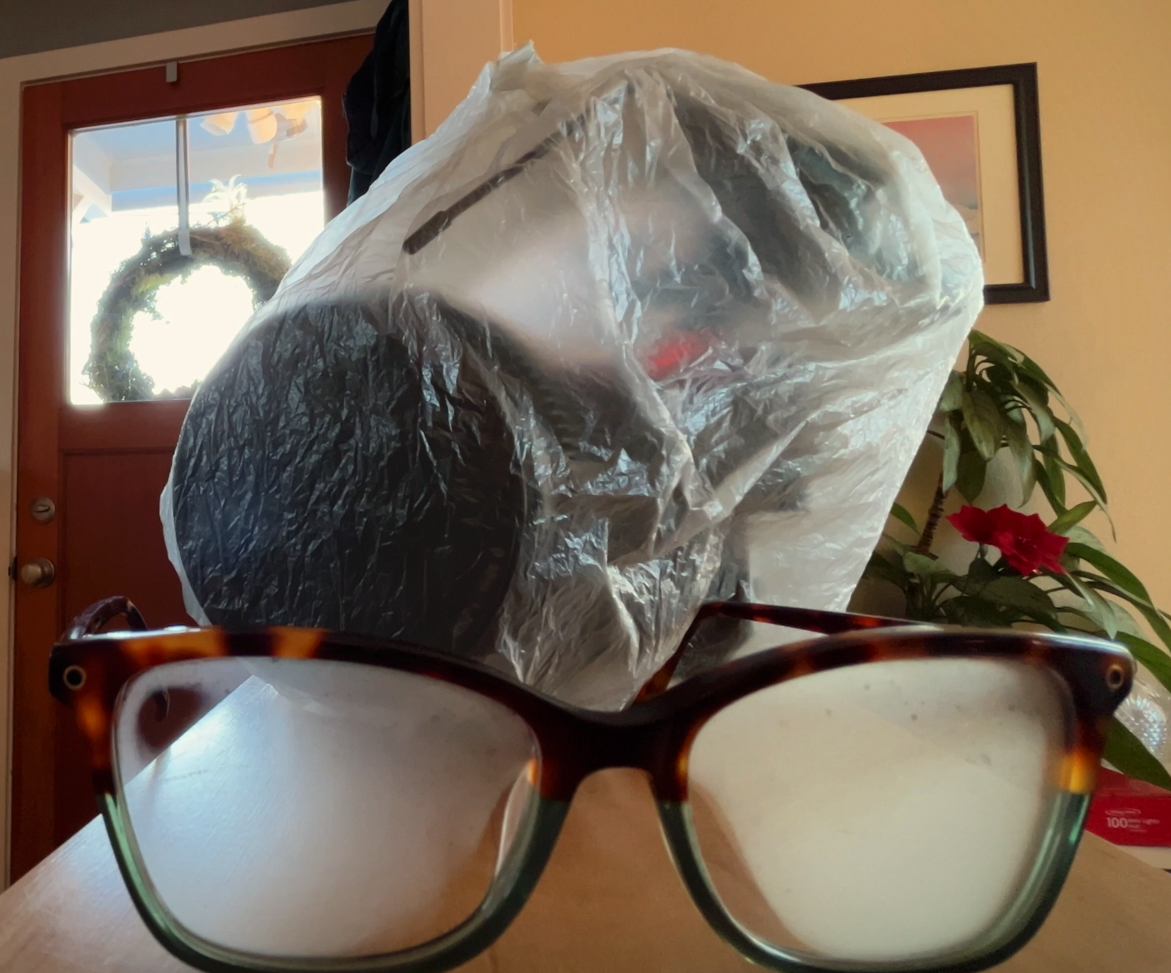
Hannah’s glasses are fogged, but the bag keeps condensation from collecting on the camera.
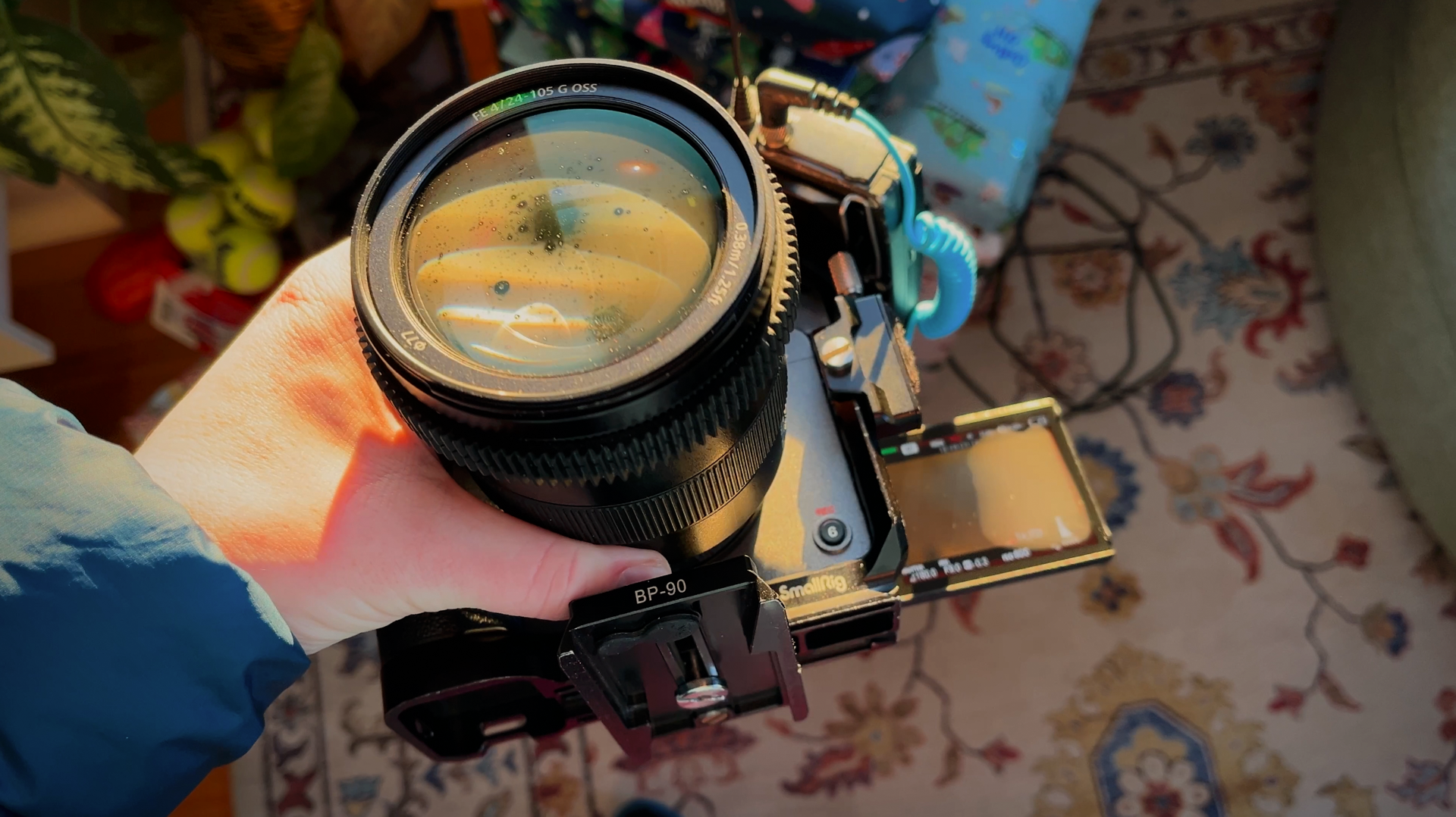
Without giving the camera time to warm up in a bag, the lens could fog up – and then you can’t film anything.
Hide lavs under hats
Puffy jackets are great – unless you’re a sound engineer. Then they’re your greatest nightmare when trying to get good audio. The crinkly, loud material makes it impossible to hide a lav under the collar.
The good news is that if they’re wearing a puffy, most people will be also be wearing hats. Hats are a great place to hide a lav: just run the wire over the top of your talent’s head and attach the mic at their forehead, just under the brim of the hat.
Bonus tips: Staying Warm
Living and working outdoors in Alaska your whole life, you learn a few tricks to keep warm even on the coldest of days.
Keep your core warm, and keep moving
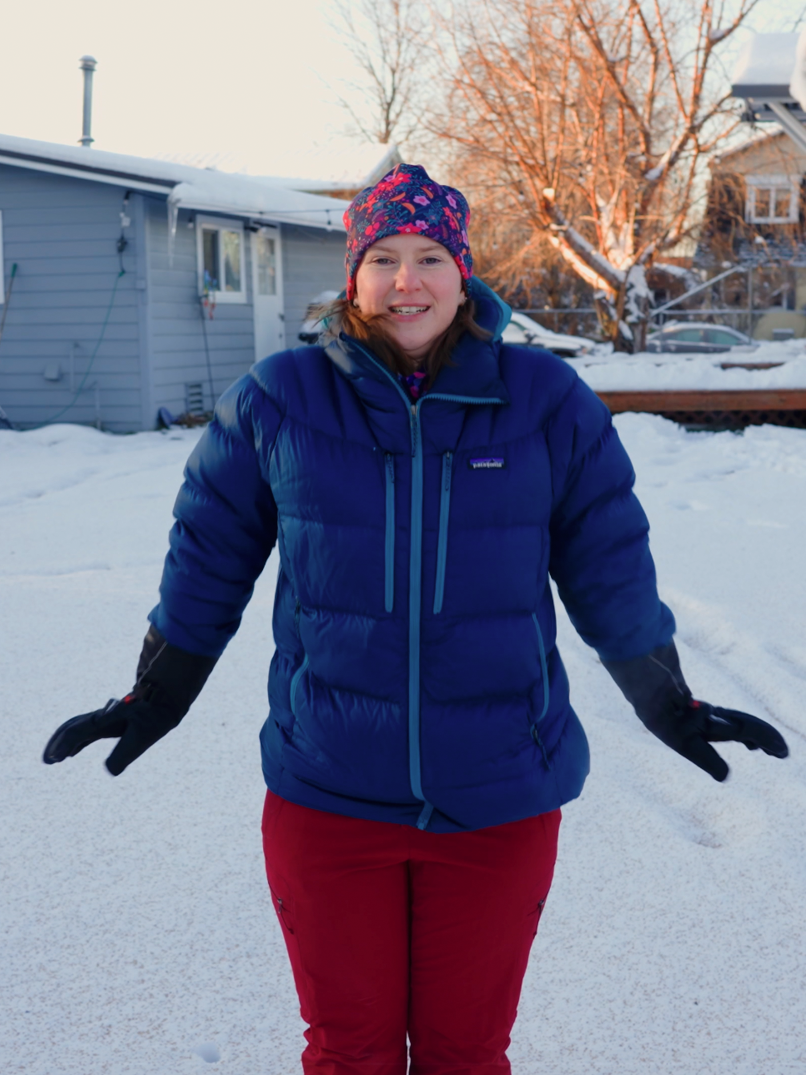
Pump blood to your hands by shrugging your shoulders like this.
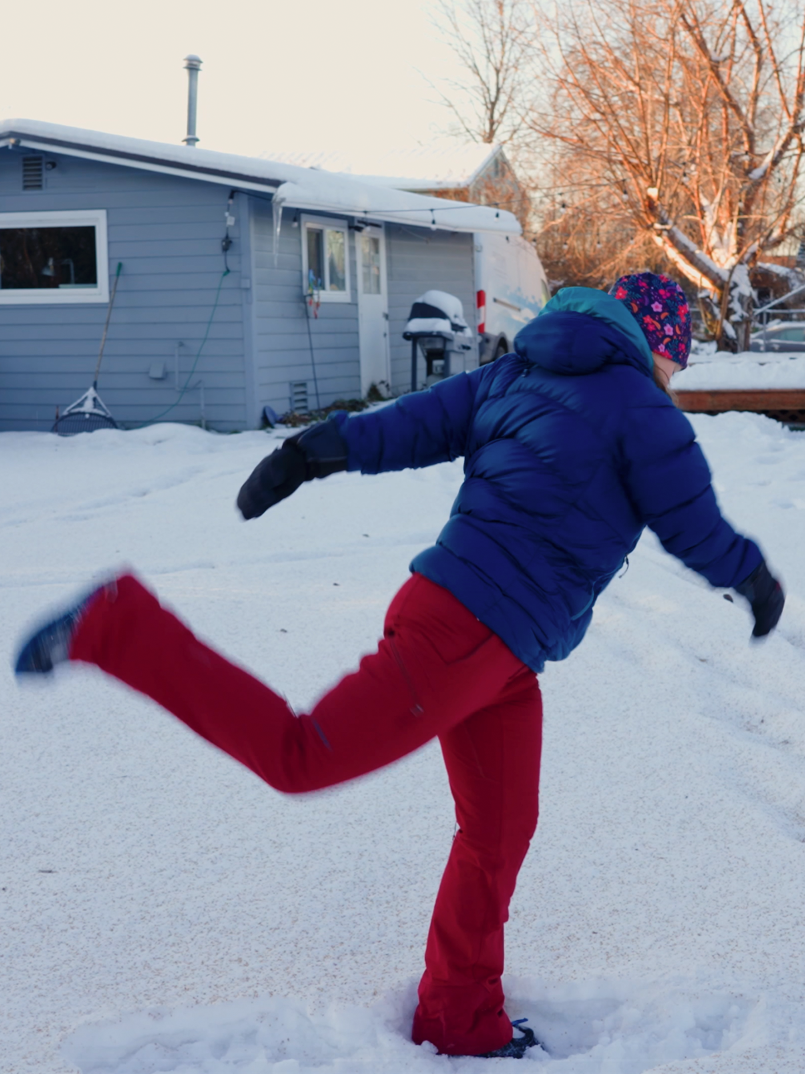
Swing your legs and arms to get the blood flowing.
Your blood helps to move heat around your body, warming up in your torso and losing heat as it approaches your extremities. If you keep your torso warm, your fingers and toes will stay a lot warmer.
Shoots often involve a lot of standing around. Even if your core is toasty, you may still need to find ways to get your blood pumping to keep limbs and digits warm. Swing your arms and legs or do jumping jacks to promote circulation to your fingers and toes. You can also shrug your shoulders with your arms at your side and your palms facing the ground to literally pump blood down into your hands.
A few other trade secrets for when you have to stand around on the ice: wear electric socks and foot warmers, or stand on a piece of cardboard.
Layer up and stay dry
A good system of layers is essential for surviving the cold. When building your winter gear kit, you want to prioritize gear that will keep you warm even when it gets wet from melting snow or sweat.
Wearing breathable wool, fleece, or synthetics like polyester as your base layer (your long underwear and socks) will help move moisture away from your skin. Add a fleece pullover or vest to keep your core warm, and then don your puffy down or waterproof shell layers that will help keep the moisture from getting in.
DON’T wear cotton: In Alaska, we have a saying: “Cotton kills.” That’s because when cotton clothing gets wet, it stays wet – and when your clothes stay wet, you stay cold.
Depending on the temperature, Hannah will sometimes bring multiple coats: a lighter jacket for when she’ll be moving a lot, and an extra warm one for when she’ll be standing around – say, conducting an interview.
Other essentials include: a neck gaiter, liner gloves and mittens, a warm hat, insulated boots, and spare socks (in the off-chance you get wet).
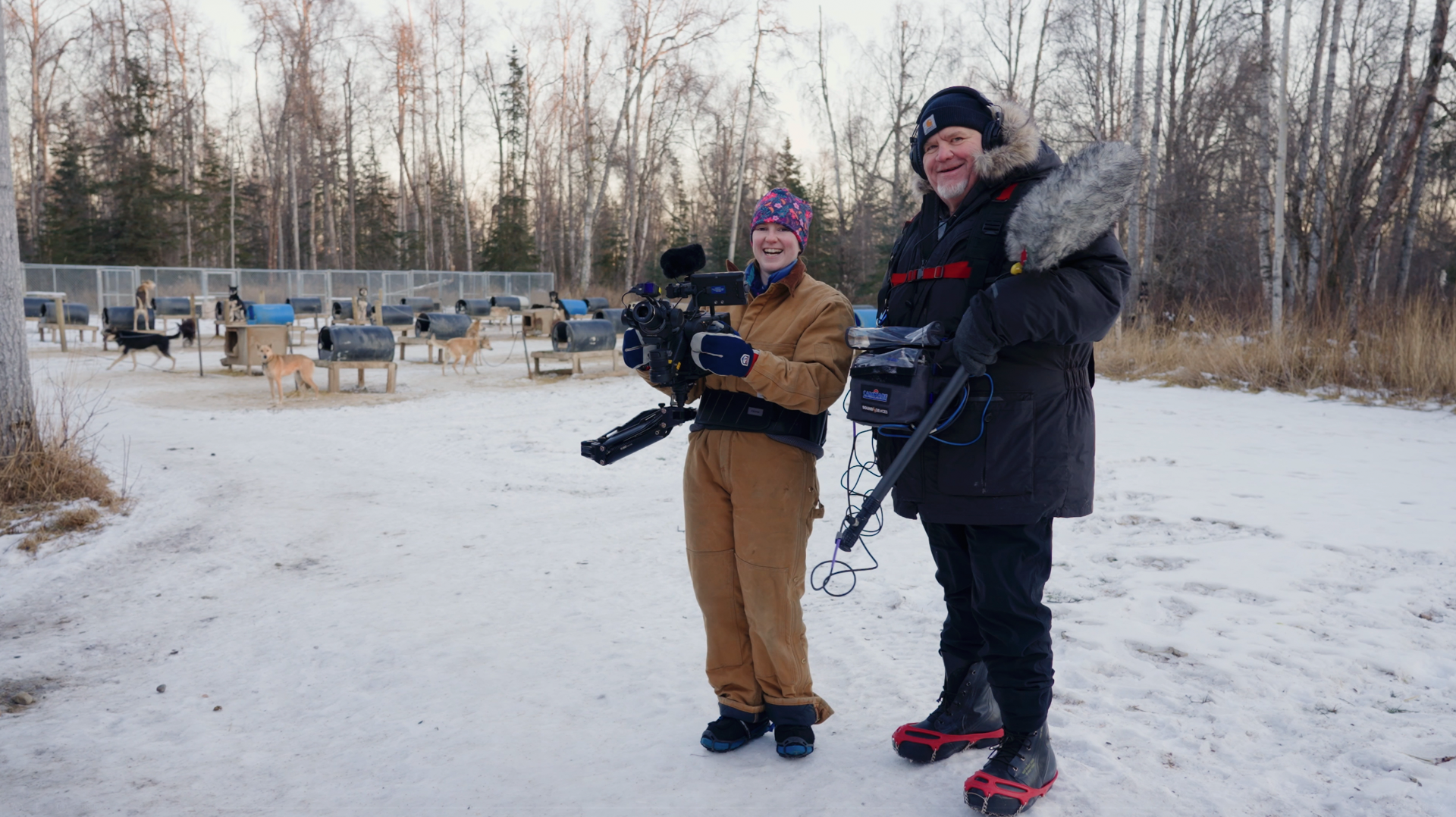
Most importantly, have fun and stay warm!
MANTHA PRATT‘s love of storytelling in all its forms started young, with adventures in books and Alaska’s great outdoors. It grew into a deep curiosity about people, cultures, and the way we communicate that led them to pursue a BA in Communications from Lewis & Clark College.
Like everyone on the Frostline team, Mantha wears many hats. Their knack for organization and designing solutions to stubborn problems keeps Frostline running smoothly so that the rest of the team can focus on doing what they do best. In addition to administrative tasks and production coordination, Mantha manages Frostline’s online presence, and occasionally joins the creative team as a graphic designer. They write our blog and produce our podcast, Hold for Sound: Let’s Talk Media Production.
At home, they enjoy going on dog walks, discovering new and local music, and baking pies.